Feather Font: A Sweet Script for Editorial Design
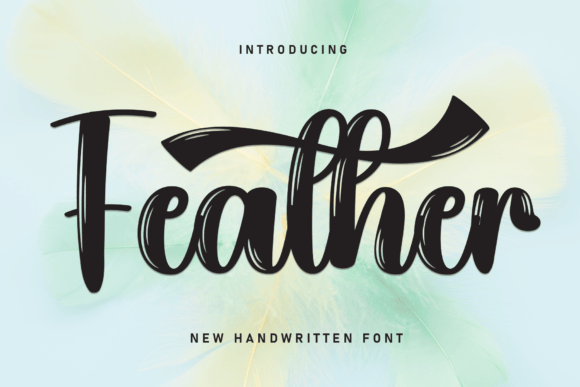
Feather is a handwritten font that brings a warm, personal touch to editorial design. Its natural flow and unique character make it ideal for a wide range of publishing projects, from blog headers to ebook titles. As a script font, Feather offers both visual appeal and readability, making it a valuable addition to any designer’s toolkit.
Designed with a friendly and approachable style, Feather is perfect for content that aims to connect with readers on an emotional level. Whether you're creating a lifestyle blog, a recipe ebook, or a printable planner, this font can help set the tone and enhance the overall aesthetic of your work.
Feather in Editorial Layouts
In editorial design, typography plays a crucial role in guiding the reader through content. Feather excels as a display font, offering a soft yet distinctive presence that draws attention without overwhelming the page. It works well for headings, subheadings, and pull quotes, where its handwritten charm can add personality and visual interest.
For magazine covers or blog headers, Feather can be used to create a sense of authenticity and creativity. Its fluid lines and subtle variations give it a handcrafted feel, which is especially effective in branding materials that aim to feel more personal and less industrial.
When used in article layouts, Feather can be paired with a clean serif or sans serif font to balance its ornate style. This pairing helps maintain readability while allowing the script font to shine in key areas such as section headings or highlighted text.
Feather for Branding and Reader Engagement
Branding is all about consistency and recognition. Feather can serve as a signature font for publications, helping to establish a distinct identity across different formats. From newsletter graphics to social media posts, its consistent style reinforces brand presence and builds trust with the audience.
Feather also supports reader engagement by adding a human element to digital and print content. In a world dominated by rigid, mechanical typefaces, a handwritten font like Feather can make a publication feel more relatable and inviting. This is especially beneficial for educational materials, such as coaching workbooks or printable guides, where a friendly tone can encourage interaction and retention.
For content creators looking to stand out, Feather offers a versatile option that can be adapted to various styles. Whether you're designing a digital magazine, a wedding guide, or a course curriculum, this font provides a cohesive look that complements both modern and traditional aesthetics.
Practical Applications of Feather
Feather is particularly effective for short-form text, such as headlines, captions, and quote graphics. Its legibility at smaller sizes makes it suitable for use in infographics, signage, and other design elements where clarity is essential. However, it's best avoided for long blocks of body text, as its cursive nature may reduce readability in extended reading scenarios.
Consider using Feather for chapter openers in ebooks or as a decorative element in printable worksheets. It can also be used to highlight key points in newsletters or to add a personal touch to lead magnets and downloadable content. The font’s versatility allows it to adapt to different contexts without losing its visual appeal.
When working with Feather, it's important to consider how it will appear across different mediums. For screen reading, ensure that the font is paired with a readable base font to maintain accessibility. In PDF exports or print, test the font at various sizes to confirm that it remains clear and professional.
Font Pairing and Design Assets
Pairing Feather with complementary fonts enhances its effectiveness in editorial design. A classic serif font like Georgia or Garamond can provide a strong contrast for body copy, while a modern sans serif like Open Sans or Lato can serve as a clean backdrop for captions and navigation elements.
For a more contemporary look, pair Feather with a minimalist display font that shares similar proportions. This creates a balanced composition that feels both stylish and functional. Always test font pairings in real-world scenarios to ensure they work well together across different platforms and devices.
Before using Feather in commercial projects, check the licensing terms to ensure it meets your needs. Many premium fonts offer licenses that allow for use in ebooks, templates, paid newsletters, and client publications. Make sure the license includes rights for digital downloads and print materials if necessary.
Feather for Creative Projects
Whether you're designing a lifestyle blog, a recipe ebook, or a wedding guide, Feather can elevate the visual storytelling of your content. Its ability to convey warmth and personality makes it a great choice for projects that aim to inspire and connect with their audience.
For independent content brands, Feather can be used to create a cohesive look across multiple platforms. From website headers to social media graphics, its consistent style helps reinforce brand identity and build a stronger connection with followers.
As a creative font, Feather offers a refreshing alternative to standard typefaces. It’s ideal for projects that require a unique voice and a personal touch, making it a go-to choice for designers who want to add character to their work without sacrificing functionality.